


Demtruk vs Manual Lift Tables: Which Improves Productivity in AV & IT Installations?
In modern AV and IT installation environments, efficiency, safety, and speed are critical. Technicians are frequently required to move heavy and awkward equipment such as servers, displays, and photocopiers across various job sites. This is where the comparison of Demtruk vs Manual Lift Tables becomes highly relevant.
Understanding the differences between these two solutions can help businesses improve productivity, reduce labour costs, and minimise manual handling risks.
Understanding the Demtruk Folding Cart DELUX 2.0
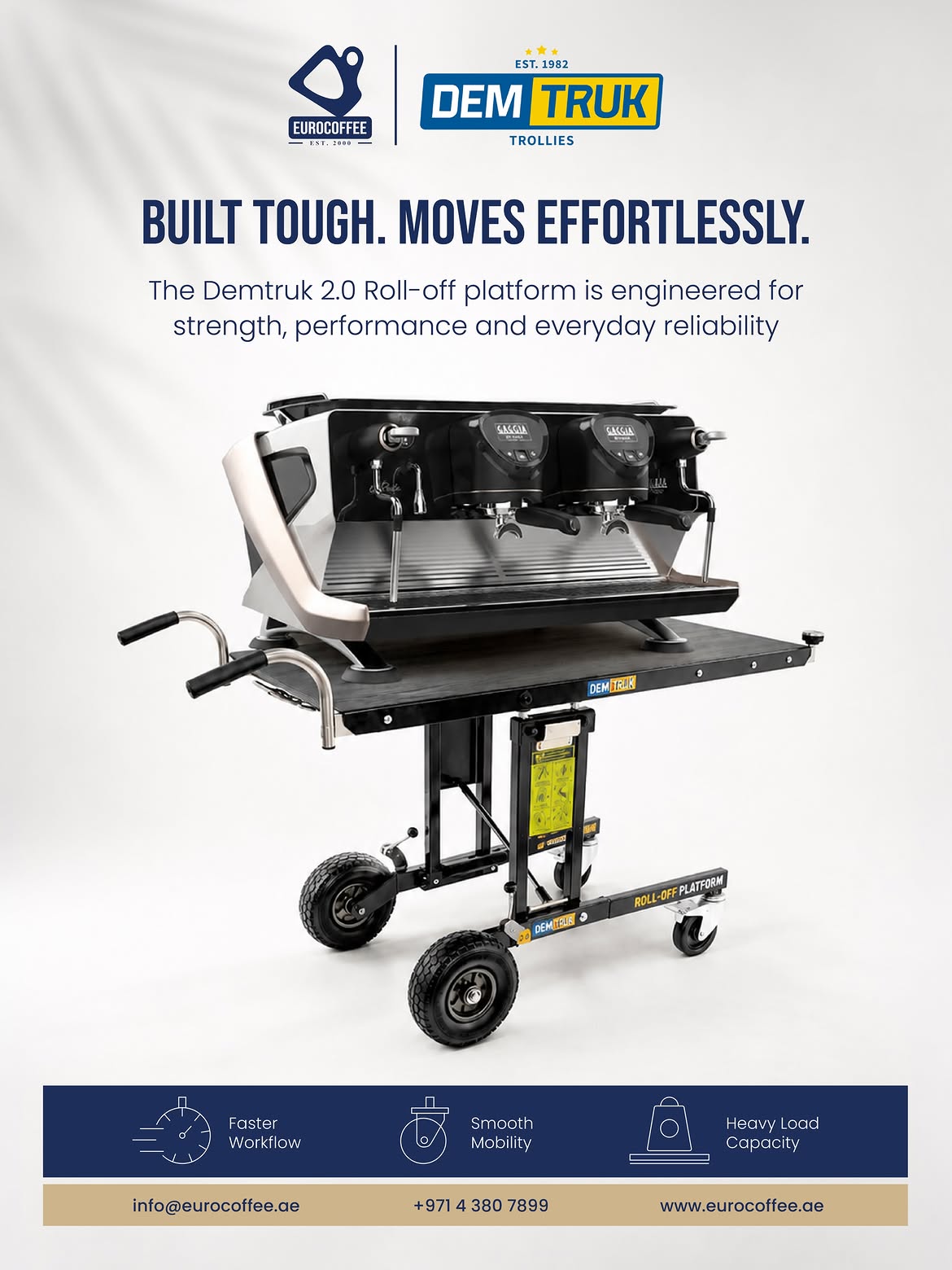
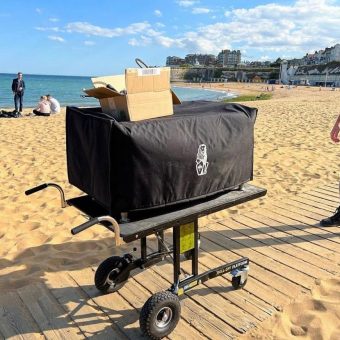
The Demtruk Folding Cart DELUX 2.0 is designed specifically for transporting heavy equipment in service-based environments. When evaluating Demtruk vs Manual Lift Tables, the Demtruk stands out for its mobility and versatility.
Key Specifications:
- Maximum Load: 220 kg
- Load Height: 700–940 mm (50 mm increments)
- Unit Weight: 18.3 kg
- Platform Width: 660 mm
- Platform Options:
- 850 mm + 150 mm extension
- 1200 mm + 150 mm extension
Features:
- Foldable base for compact storage
- Removable handles with quick-release
- Load straps for stability
- Door glides and stair climb handles
- Pneumatic rear wheels with braking system
These features make the Demtruk ideal for technicians who need to move equipment efficiently across multiple environments.
What Are Manual Lift Tables?
Manual lift tables are commonly used in warehouses and workshops for vertical lifting tasks. In the context of Demtruk vs Manual Lift Tables, they are best suited to controlled environments rather than mobile applications.
Common Characteristics:
- Scissor-lift mechanism
- Hydraulic or foot-pump operation
- Heavy-duty construction
- Designed for stationary use
While effective for lifting, they lack the flexibility required for field-based installation work.
Key Differences in Productivity
Mobility and Accessibility
One of the most important factors in Demtruk vs Manual Lift Tables is how easily equipment can be moved across real job sites.
Demtruk:
- Designed for transport across uneven and indoor surfaces
- Large wheels improve maneuverability
- Suitable for tight spaces and doorways
Manual Lift Tables:
- Limited mobility outside flat surfaces
- Difficult to reposition frequently
For technicians moving between locations, this difference has a direct impact on productivity.
Labour Efficiency
Reducing labour requirements is a major advantage when comparing Demtruk vs Manual Lift Tables.
Demtruk:
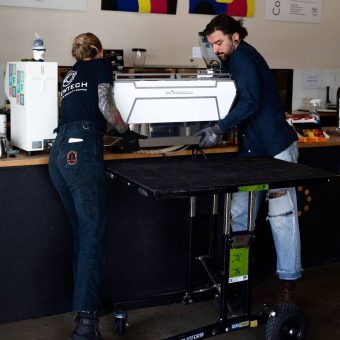
- Enables single-person operation
- Minimises lifting effort
- Reduces reliance on additional staff
Manual Lift Tables:
- Often require two operators
- Additional effort to load equipment
This makes Demtruk more cost-effective in service-based roles.
Workflow Speed
Time is critical in installation work. The Demtruk vs Manual Lift Tables comparison highlights differences in workflow efficiency.
Demtruk:
- Quick setup and deployment
- Combines transport and lifting
- Reduces handling steps
Manual Lift Tables:
- Slower setup process
- Requires separate loading and repositioning
Faster workflows allow teams to complete more jobs per day.
Safety and Ergonomics
Workplace safety is another key factor in Demtruk vs Manual Lift Tables.
Demtruk:
- Adjustable height reduces bending
- Secures loads during movement
- Minimises risk of injury
Manual Lift Tables:
- Requires manual lifting onto platform
- Less adaptable to varying job conditions
Improved ergonomics directly contribute to reduced downtime and injuries.
Transport and Storage
For mobile teams, storage and transport are essential considerations in Demtruk vs Manual Lift Tables.
Demtruk:
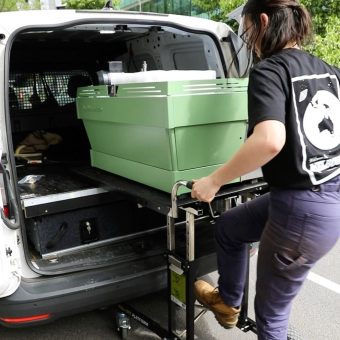
- Foldable and lightweight
- Easy to store in service vehicles
- Designed for mobility
Manual Lift Tables:
- Bulky and heavy
- Not suited for frequent transport
This makes Demtruk a more practical solution for field operations.
Applications in AV & IT Installations
In AV and IT environments, technicians regularly handle:
- Large screens and AV systems
- Server racks and networking equipment
- Photocopiers and office machines
- Demonstration units
In these scenarios, the Demtruk vs Manual Lift Tables comparison clearly favours Demtruk due to its ability to combine transport and lifting in one system.
Other Industries That Benefit
The advantages seen in Demtruk vs Manual Lift Tables extend beyond AV and IT installations.
Coffee Machine Servicing
Safe transport and positioning of heavy commercial machines.
Courier and Logistics
Efficient handling of bulky deliveries with fewer staff.
Facilities Management
Moving office equipment during relocations.
Retail Fit-Outs
Transporting stock and display units during store setups.
Medical Equipment Handling
Moving sensitive equipment safely within facilities.
Events and Exhibitions
Faster setup and pack-down of equipment and displays.
When Manual Lift Tables Are Suitable
While the comparison of Demtruk vs Manual Lift Tables often favours Demtruk, lift tables still have specific uses:
- Fixed warehouse environments
- Repetitive vertical lifting tasks
- Situations with minimal movement
In these controlled settings, manual lift tables remain effective.
Final Verdict
When assessing Demtruk vs Manual Lift Tables, the choice depends on the application.
Demtruk is ideal for:
- Mobile service work
- Single-operator efficiency
- Faster job completion
- Reduced manual handling risks
Manual Lift Tables are better for:
- Static lifting tasks
- Controlled environments
For AV and IT installation teams, Demtruk provides a clear advantage in productivity, safety, and operational efficiency.
Conclusion
The comparison of Demtruk vs Manual Lift Tables highlights the importance of choosing the right equipment for the job. As industries move toward more mobile and efficiency-driven workflows, solutions like the Demtruk Folding Cart DELUX 2.0 offer clear benefits.
By improving mobility, reducing labour requirements, and enhancing safety, Demtruk supports faster and more efficient operations across a wide range of industries. Contact us now.