


Mobile Equipment Handling in Tight Spaces: Why Compact Carts Matter
Mobile equipment handling is an important consideration for businesses that regularly transport heavy, bulky or awkward equipment through restricted work areas. Offices, warehouses, retail stores, workshops and commercial service locations often have narrow corridors, limited turning space and access points that make moving equipment challenging. Without suitable handling equipment, workers may need to lift, carry or reposition heavy items manually, increasing physical demands and the risk of workplace injuries. Mobile Equipment Handling solutions can help address these challenges.
Effective mobile equipment handling requires more than choosing a trolley that fits through a doorway. Businesses must consider load capacity, platform dimensions, manoeuvrability, braking systems, height adjustment and the conditions of the intended route. Selecting the right equipment can help reduce unnecessary manual handling, improve load control and support more efficient transport procedures.
Compact carts are particularly useful when equipment must be moved through confined spaces or transferred between vehicles and buildings. They provide a supporting platform for heavy items and can reduce the need for repeated lifting during transport. For couriers, maintenance technicians and commercial equipment suppliers, a suitable cart can make routine deliveries and service tasks easier to manage while improving Mobile Equipment Handling practices.
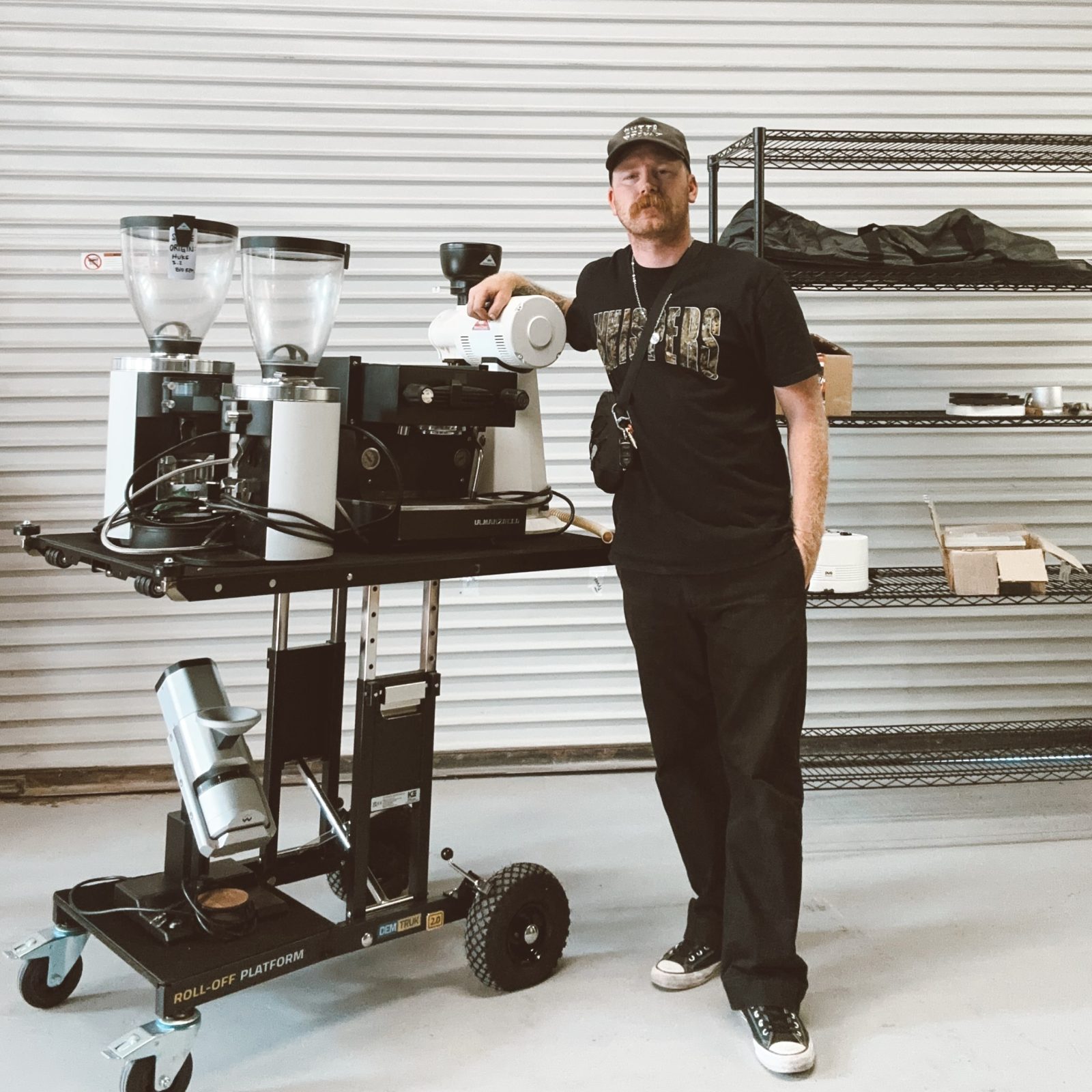
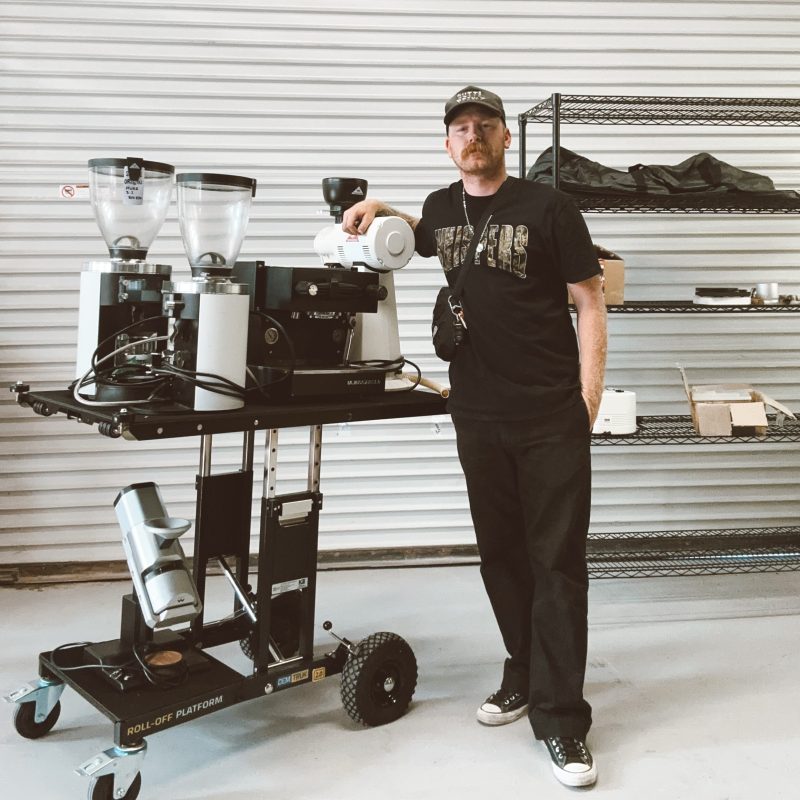
The Demtruk Folding Cart DELUX 2.0, available from Spacepac, is designed for moving heavy and awkward-to-lift equipment, including commercial coffee machines and large photocopiers. With a maximum load capacity of 220 kg, an adjustable load height, a widened platform and a foldable base, it offers a specialised option for businesses that need a practical solution for equipment transport and Mobile Equipment Handling.
This article explores the challenges of Mobile Equipment Handling in tight spaces, the advantages of compact carts, the features businesses should consider when selecting handling equipment, and how the Demtruk Folding Cart DELUX 2.0 can support suitable equipment transport applications.
1. Understanding Mobile Equipment Handling in Tight Spaces
Mobile equipment handling involves moving machinery, appliances and other substantial items between locations using suitable handling equipment. Depending on the application, this may include transporting equipment from a delivery vehicle into a building, moving machinery between workstations or positioning equipment for servicing and installation.
Although these tasks may appear straightforward, restricted environments can make them more complicated.
Limited Manoeuvring Space
Narrow corridors, small doorways, furniture, shelving and other obstacles can restrict movement. Workers may need to negotiate several turns or position a load carefully to pass through an access point.
When a trolley is too large or difficult to steer, the movement can require repeated adjustments. This can increase handling time and make it more difficult to maintain control of the load.
Mobile equipment handling becomes more manageable when the cart’s dimensions and steering characteristics suit the available space. Businesses should assess the entire route rather than measuring the doorway alone.
Heavy and Awkward Equipment
Commercial coffee machines, large photocopiers and other machinery can be difficult to carry because of their weight, shape and limited handholds.
Some items also contain delicate components that require careful positioning throughout transport. Attempting to lift these loads manually can place excessive demands on the back, shoulders, arms and other parts of the body.
Appropriate mobile equipment handling equipment supports the load during movement and can reduce the need for manual carrying. However, workers must still control the cart, secure the load and position the equipment safely.
Differences in Working Height
Equipment transfers often involve changes in height. A worker may need to move a machine from a vehicle floor to a cart, then position it near a bench or designated service area.
Repeatedly lifting equipment to accommodate different heights can increase physical demands and complicate the transfer.
An adjustable-height cart can help align the load with suitable receiving surfaces, reducing the need for unnecessary lifting during compatible transfer operations.
Risk of Equipment Damage
Heavy machinery may contain electrical components, precision mechanisms, glass panels or other parts that can be damaged by impacts and sudden movement.
Unsecured loads and unstable positioning can increase the likelihood of equipment damage.
Effective mobile equipment handling therefore requires suitable platform support, secure load restraint and a cart with appropriate braking and steering characteristics.
2. Why Compact Carts Matter for Mobile Equipment Handling
Compact carts provide a practical way to transport heavy items through restricted environments without requiring workers to carry the full load manually.
Their value depends on how well their design matches the task. A compact cart must still provide adequate load capacity, platform support and stability for the equipment being moved.
When correctly selected, compact carts can improve several aspects of mobile equipment handling.
Improved Manoeuvrability
A suitably sized cart can be easier to position near doorways, workstations, storage areas and vehicle loading points.
This is particularly useful for technicians who deliver or service equipment in customer premises where space may be limited.
Good manoeuvrability helps workers negotiate suitable routes without repeatedly repositioning the load. However, businesses must ensure that the cart and its load can pass through access points with sufficient clearance.
Reduced Manual Handling Demands
Moving heavy machinery manually can involve lifting, carrying, bending and twisting. These movements may become more difficult when the load is bulky or the route is obstructed.
Mobile equipment handling with a suitable cart transfers much of the load’s weight to the platform and wheels. This can reduce the need for manual carrying and help limit exposure to certain manual handling risks.
The cart does not eliminate all physical demands. Pushing, pulling, steering, securing and positioning a loaded trolley can still require considerable effort.
Businesses should assess the task and provide suitable equipment, training and work procedures rather than relying on a cart as the only safety measure.
More Efficient Transport Procedures
A suitable cart can help streamline the movement of equipment between a delivery vehicle and its destination.
Instead of carrying an item through a building or repeatedly transferring it between unsuitable handling devices, workers may be able to keep the load supported on the cart for more of the journey.
For service businesses that transport equipment to multiple customer locations, this can help establish a more consistent mobile equipment handling process.
Better Use of Available Space
In busy workplaces, floor space is shared by workers, customers, stock and operating equipment.
A cart that suits the available route can help workers move equipment without unnecessarily obstructing surrounding activities.
Foldable designs can also be useful for mobile service teams that need to transport handling equipment between jobs and store it in a vehicle when not in use.
3. Common Applications for Mobile Equipment Handling Equipment
Mobile equipment handling is relevant to many industries where heavy or bulky items must be transported between work areas.
The right solution depends on the weight, dimensions and characteristics of the load, as well as the environment in which the equipment will operate.
Commercial Equipment Delivery
Delivery teams frequently transport machinery into offices, hospitality venues, retail stores and commercial buildings.
Commercial coffee machines, photocopiers and similar equipment can be difficult to carry because of their weight and dimensions.
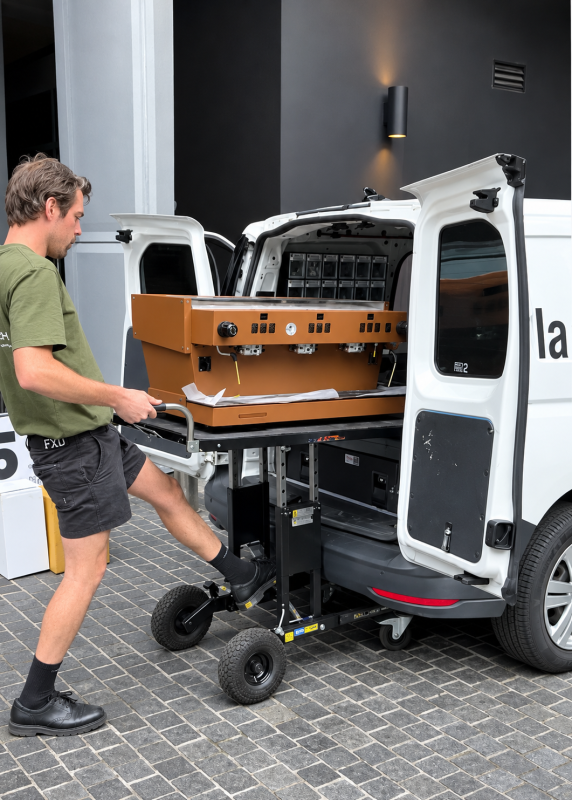
A suitable cart supports the load during movement and can reduce the need for manual carrying. This is particularly beneficial when equipment must travel from a vehicle through a building to its final destination.
Office Equipment Installation
Office installations can involve moving printers, photocopiers and other machinery through corridors, doorways and shared workspaces.
Mobile equipment handling equipment with a suitable platform and adjustable height can help installers position machinery for transfer.
Before moving the equipment, workers should verify that the platform can support the load and that the route provides sufficient clearance.
Maintenance and Servicing
Technicians may need to transport machinery to a service location, move replacement equipment into position or relocate units temporarily during maintenance.
A suitable cart provides a mobile platform for moving equipment between vehicles, workshops and customer premises.
For businesses undertaking frequent service visits, a foldable cart can also help simplify equipment storage and transport between jobs.
Retail and Hospitality Operations
Retail and hospitality businesses may need to move commercial appliances, display equipment and service machinery through customer-facing areas.
Compact mobile equipment handling solutions can help workers manage these movements where permanent material handling systems are impractical.
Routes should be planned to avoid customers, staff and other obstacles. Where necessary, businesses should restrict access to the immediate work area during equipment transfers.
Warehouse and Workshop Transfers
Warehouses and workshops often require equipment to be moved between storage areas, maintenance stations and assembly workspaces.
A suitable cart can support short-distance transfers and reduce the need for repeated lifting.
Businesses should consider floor conditions, aisle width, load dimensions and the frequency of movement when selecting equipment for these applications.
4. Key Features to Consider When Selecting Mobile Equipment Handling Carts
Choosing the right cart requires more than comparing its overall size. Businesses must evaluate how the equipment will perform during actual handling tasks.
The following features are important when selecting a cart for mobile equipment handling in restricted spaces.
Load Capacity
The cart must be rated to support the weight of the intended load.
Businesses should determine the maximum equipment weight and confirm that the selected cart can accommodate it within the manufacturer’s operating limits.
The Demtruk Folding Cart DELUX 2.0 has a maximum load capacity of 220 kg. This makes it a potential option for moving suitable heavy equipment within that limit, provided the load dimensions, weight distribution and operating conditions also comply with the manufacturer’s requirements.
The rated capacity must not be exceeded. Businesses should also consider whether the equipment’s shape and centre of gravity are appropriate for the selected platform.
Platform Dimensions
The platform must provide adequate support for the load.
A platform that is too small may leave parts of the equipment inadequately supported, while an unnecessarily large platform may make manoeuvring more difficult in confined areas.
The Demtruk DELUX 2.0 offers two platform length options:
- Standard platform: 850 mm long × 660 mm wide, with a 150 mm extension.
- Large platform: 1,200 mm long × 660 mm wide, with a 150 mm extension.
Both options provide a platform width of 660 mm and a removable extension.
The standard platform may suit equipment that fits comfortably within its available support area. The large platform provides additional length for compatible items that require a longer supporting surface.
Businesses should compare the dimensions of their equipment with the platform before selecting a configuration.
Adjustable Load Height
Height adjustment can help simplify mobile equipment handling when loads must be transferred between surfaces at different levels.
The Demtruk DELUX 2.0 features a load height adjustable in 50 mm increments. Its supplied specifications state a range of 700–940 mm, while another product description references a range ending at 900 mm.
Businesses should confirm the current operating range with Spacepac before purchasing, particularly if the cart needs to align with a specific vehicle floor, bench or work surface.
The selected height must be appropriate for the intended transfer. Adjustment alone does not eliminate gaps, uneven surfaces or other hazards.
Wheel Configuration
Wheel design influences how a cart moves, turns and responds to the operating surface.
The Demtruk DELUX 2.0 base incorporates:
- A 125 mm front swivel castor with a brake.
- Rear pneumatic wheels measuring 260 × 85 mm, with braking.
The swivel castor supports steering, while the rear wheels provide the main rolling support. Pneumatic wheels may offer some cushioning compared with harder wheel types, although performance depends on the surface, tyre condition and load.
Businesses should assess the intended route carefully. A cart suitable for smooth indoor floors may not be appropriate for rough, uneven or sloping surfaces.
Braking and Load Control
Braking is an important consideration when workers need to position a cart for loading, unloading or other stationary tasks.
The DELUX 2.0 includes braking features on its front and rear wheel configurations.
These features can help prevent unwanted movement when the cart is stationary, provided the brakes are applied correctly and the cart is positioned appropriately.
Workers should follow the manufacturer’s instructions and verify that the cart is stable before releasing their grip on the load.
Brakes do not replace safe positioning, suitable load restraint or an assessment of floor gradients.
Foldable Construction
Foldable handling equipment can be useful for businesses with limited vehicle storage space.
The Demtruk DELUX 2.0 has a foldable base with stated unit dimensions of 310 × 988 × 384 mm. The base weighs 18.3 kg, while the listed packed dimensions are 1,055 × 345 × 408 mm, with a packed weight of 26 kg.
These specifications help businesses assess whether the cart can be stored and transported alongside tools, spare parts and other equipment.
The platform and accessories should also be considered when calculating the total storage space required.
Secure Load Restraint
Heavy equipment must remain stable throughout transport.
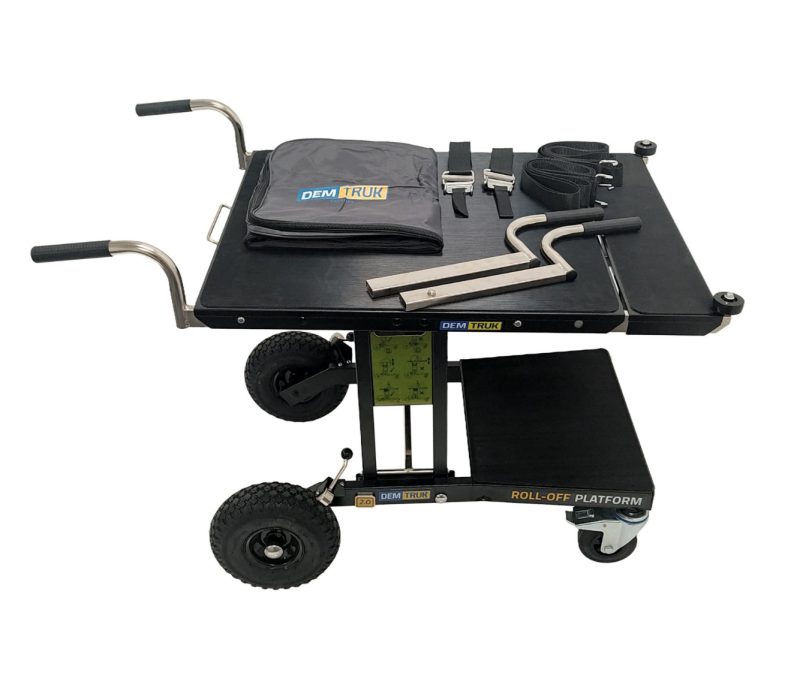
The DELUX 2.0 includes two adjustable load straps to help secure compatible items to the platform.
Workers should position the equipment correctly, use suitable restraint points and fit the straps according to the manufacturer’s instructions.
Straps should not be used to compensate for inadequate platform support or an unstable load configuration.
5. Demtruk Folding Cart DELUX 2.0: A Practical Mobile Equipment Handling Solution
The Demtruk Folding Cart DELUX 2.0 is designed for moving heavy and awkward-to-lift equipment, including commercial coffee machines and large photocopiers.
Its intended applications include transporting equipment into and out of vehicles and moving it into offices or shops for servicing, installation or demonstration purposes.
For businesses that regularly handle this type of equipment, the cart combines a foldable base, adjustable load height, two platform options and accessories designed to support different stages of the handling task.
Key Specifications
| Feature | Specification |
|---|---|
| Maximum load capacity | 220 kg |
| Base part number | KE450/00 |
| Base dimensions | 310 × 988 × 384 mm |
| Base weight | 18.3 kg |
| Front castor | 125 mm swivel castor with brake |
| Rear wheels | 260 × 85 mm pneumatic wheels with braking |
| Adjustable load height | 700–940 mm in 50 mm increments, subject to confirmation |
| Standard platform | 850 × 660 mm, with 150 mm extension |
| Large platform | 1,200 × 660 mm, with 150 mm extension |
| Load restraint | Two adjustable straps |
| Base construction | Foldable |
| Additional storage | Detachable lower shelf |
| Storage accessory | Carry bag |
The specifications make the DELUX 2.0 worth considering for businesses that need a specialised cart for equipment deliveries, service work and other suitable material handling tasks.
However, the cart should be selected according to the complete handling requirements rather than its load capacity or platform dimensions alone.
6. How the Wider Platform Supports Mobile Equipment Handling
Platform dimensions influence how equipment sits on a cart and how easily workers can position the load.
The Demtruk DELUX 2.0 features a widened platform measuring 660 mm overall, with a removable 150 mm extension.
This arrangement provides additional platform width and may be useful when handling suitable equipment with a broader footprint.
Standard Platform: KE470/850
The standard platform measures 660 mm wide by 850 mm long, with a 150 mm extension.
It may suit equipment that fits within the available support area without requiring the longer platform.
The standard top weighs 15 kg, with listed packed dimensions of 990 × 770 × 60 mm and a packed weight of 19.4 kg.
Businesses should consider the platform’s dimensions and weight when planning transport and storage.
Large Platform: KE471/1200
The large platform measures 660 mm wide by 1,200 mm long, with a 150 mm extension.
It may be suitable for longer equipment that requires additional platform support, provided the load remains within the cart’s rated capacity and is compatible with the manufacturer’s operating requirements.
The large top weighs 21 kg, with listed packed dimensions of 1,200 × 770 × 60 mm and a packed weight of 26 kg.
The additional length may help accommodate particular loads, but it can also affect manoeuvrability in confined spaces. Businesses should evaluate the assembled cart and load together before selecting this option.
The Role of the Removable Extension
The removable platform extension provides an additional 150 mm of platform length.
It offers flexibility when positioning compatible equipment, but it must be configured and secured according to the manufacturer’s instructions.
Workers should verify that the equipment is adequately supported and that the extension does not create an unstable arrangement.
The correct platform choice depends on the dimensions, weight distribution and support requirements of the equipment being transported.
7. Using Adjustable Height to Simplify Equipment Transfers
Differences in surface height can make mobile equipment handling physically demanding.
For example, a technician may need to move a photocopier from a vehicle into an office. If the cart and receiving surface are at substantially different heights, the equipment may require additional lifting or repositioning.
An adjustable-height cart can help address part of this challenge by allowing the load position to be changed in increments.
The Demtruk DELUX 2.0 provides adjustment in 50 mm steps. Its stated operating range is 700–940 mm, although the exact range should be confirmed with Spacepac before purchase.
This adjustment can help workers align the platform with suitable working surfaces within the available range.
Before selecting the cart, businesses should compare its confirmed adjustment range with the heights of the vehicle floors, benches and receiving surfaces used in their operations.
The complete transfer must also be assessed for gaps, load stability and the method used to move the equipment between surfaces.
Height adjustment does not automatically make every transfer safe. Where a movement involves a ramp, threshold or change in floor level, businesses must determine whether additional equipment or assistance is required.
8. Improving Stability Through Braking and Load Restraint
Stability is essential when transporting heavy equipment.
A load that shifts unexpectedly can affect steering, increase the risk of collisions or make the cart difficult to control. Even over short distances, workers must ensure that equipment remains secure.
The Demtruk DELUX 2.0 includes two adjustable load straps and braking features on its front and rear wheel configurations. These components support different aspects of mobile equipment handling.
Adjustable Load Straps
The two supplied straps help restrain suitable equipment during movement.
Before transporting an item, workers should check its position, identify appropriate restraint points and ensure the straps are fitted correctly.
Equipment should not be moved if it is unstable, inadequately supported or incompatible with the restraint arrangement.
Workers should also check that straps do not interfere with the cart’s wheels, handles or other operating components.
Front and Rear Braking
The front swivel castor incorporates a brake, while the rear wheels also feature braking.
These features can help control unwanted movement when the cart is stationary, including during suitable loading and positioning activities.
Workers should engage the brakes as instructed and verify that the cart remains stable before releasing their grip on the load.
The cart should not be left unattended with an unsecured load or positioned where unintended movement could create a hazard.
Maintaining Load Balance
Correct load positioning is another important consideration.
Equipment should be placed on the platform in accordance with the manufacturer’s instructions, with its weight distributed appropriately.
A load that is poorly positioned may affect stability, steering and the effectiveness of the restraint system.
Mobile equipment handling procedures should therefore include checks of load position and restraint before movement begins.
9. Supporting Safer Manual Handling Practices
Compact carts can help reduce manual handling demands, but they should form part of a broader workplace safety approach.
Businesses should assess how equipment is lifted, positioned, secured, transported and unloaded. The assessment should consider the load, the environment and the physical demands placed on workers.
Plan the Route Before Moving the Load
Workers should identify the intended route before loading the cart.
Check door widths, corridor clearances, floor conditions, thresholds and turning areas. Remove avoidable obstructions and identify areas where pedestrian traffic could interfere with the movement.
If the route is unsuitable, consider an alternative path or a different handling method.
Inspect the Cart Before Use
Inspect the cart in accordance with the manufacturer’s instructions.
Check wheel condition, braking function, platform security, adjustment mechanisms, handles and load straps.
Damaged or malfunctioning equipment should be removed from service until it has been appropriately assessed and repaired.
Position the Load Correctly
Place the equipment on the platform in a stable configuration and follow the manufacturer’s loading instructions.
Consider the load’s centre of gravity, dimensions and weight distribution. Secure the item before moving the cart.
Do not exceed the rated capacity or use an unsuitable platform configuration.
Avoid Excessive Pushing and Pulling Forces
A loaded cart may still require considerable effort to move, especially when the route includes thresholds, uneven surfaces or restricted turning space.
Workers should use appropriate pushing and steering techniques and avoid sudden movements.
If the required force is excessive, stop and reassess the task rather than attempting to overcome the difficulty through greater physical effort.
Keep the Route Clear
Maintain adequate clearance from people, furniture, walls and other equipment.
In confined spaces, reduced visibility can make it difficult to judge the cart’s position and the movement of the load.
Where necessary, use additional assistance or a different movement procedure to maintain control.
Train Workers in Correct Operation
Workers should understand how to adjust the platform, operate the brakes, fit the straps and position the handles.
They should also know the cart’s limitations, including its rated capacity and restrictions on the surfaces and transfers for which it is suitable.
Training should reflect the actual tasks performed in the workplace.
10. How Mobile Equipment Handling Can Support Single-Person Operation
The Demtruk DELUX 2.0 is designed to support single-person operation for suitable tasks.
This can be beneficial for couriers and service technicians who regularly transport equipment between vehicles and customer locations.
When a task can be completed safely by one trained worker using suitable handling equipment, businesses may be able to reduce the need for a second person to assist with routine movements.
Potential operational benefits include:
- Reduced dependence on manual carrying.
- Less need to coordinate additional staff for suitable transfers.
- More consistent equipment movement procedures.
- Greater flexibility for service teams working across multiple locations.
- Reduced exposure to some manual handling risks.
However, single-person operation is not appropriate for every load or environment.
The decision must consider the weight and dimensions of the item, the route, visibility, transfer method and the cart manufacturer’s instructions.
Some loads may require two people, additional mechanical assistance or an alternative handling system.
The DELUX 2.0 also includes four carry handles for situations where two people need to carry the pallet or handle a suitable step-carry task.
Their inclusion provides another configuration for specific handling requirements, but their use must follow the manufacturer’s instructions and the task’s risk assessment.
11. Foldability and Storage for Mobile Service Teams
For businesses operating delivery vehicles or mobile service fleets, handling equipment must be practical to transport between jobs.
A cart that occupies excessive storage space may reduce the room available for tools, spare parts and other equipment.
The Demtruk DELUX 2.0 features a foldable base and includes a carry bag designed to help protect the base during transport. The bag can also help keep accessories together between jobs.
Its detachable lower shelf provides additional storage capacity when configured for use. The shelf features a quick-release design and matching rubber matting.
These features can be useful for service teams that need to transport handling equipment and organise accessories as part of their daily workflow.
Businesses should assess the cart’s packed dimensions and weight against their vehicle’s available storage space.
They should also ensure that the cart and its components are secured during vehicle transport to prevent movement or damage.
Foldability can improve storage flexibility, but the complete setup must still be practical for the intended work environment.
12. Additional Features That Support Practical Handling Tasks
Beyond its primary platform and wheel configuration, the Demtruk DELUX 2.0 includes several accessories designed to support equipment movement.
Removable Handles
The handles can be removed using the side release mechanism.
This provides flexibility when configuring the cart for different tasks and may assist with storage or positioning where available space is restricted.
Workers should ensure that the handles are fitted securely whenever required for operation.
Front Stair-Climb Handles
Two front stair-climb handles are included with the cart.
Their presence does not mean the cart is suitable for every staircase or that heavy equipment can be carried on stairs without additional assessment.
Any step-carry or stair-related movement must follow the manufacturer’s instructions and the relevant risk assessment. Where the load, staircase or operating conditions are unsuitable, an alternative handling method should be selected.
Detachable Lower Shelf
The lower shelf provides additional storage space and features a quick-release design with matching rubber matting.
It can accommodate suitable accessories or other items during operations.
Businesses should ensure that items stored on the shelf do not interfere with wheel movement, steering, braking or the stability of the primary load.
Carry Bag
The supplied carry bag helps protect the base during transport and keeps accessories together.
For mobile service teams, organised storage can make it easier to prepare the cart for use and return it to the vehicle after a job.
Additional Load Security
The two adjustable load straps supplied with the DELUX 2.0 provide additional options for securing compatible equipment.
Workers should select the appropriate restraint arrangement for the item being transported and follow the manufacturer’s instructions.
13. Is the Demtruk DELUX 2.0 Suitable for Your Mobile Equipment Handling Needs?
The DELUX 2.0 may be worth considering for businesses that frequently move heavy, awkward equipment and require a mobile handling solution for vehicle-to-building transfers. Effective Mobile Equipment Handling can help businesses manage these tasks more efficiently.
It is particularly relevant to operations involving commercial coffee machines, large photocopiers and similar equipment delivered to or serviced at customer premises.
Before selecting the cart, businesses should consider the following questions.
What is the maximum load weight?
Confirm that the equipment remains within the cart’s 220 kg rated capacity and that the load is suitable for the chosen platform configuration.
What are the load dimensions?
Compare the equipment’s footprint with the standard and large platform options. Check that the load can be supported and restrained appropriately.
How much clearance is available?
Measure doorways, corridors, turning areas and other restricted points. Consider the assembled cart dimensions, load overhang and space required to steer safely.
What height differences must be managed?
Compare the cart’s confirmed adjustment range with vehicle floors, benches and receiving surfaces.
What are the floor conditions?
Assess the route for thresholds, uneven surfaces, slopes and other features that could affect movement or braking.
Can one person complete the task safely?
Evaluate the load, route, visibility and transfer requirements. Use additional assistance or a different handling method when necessary.
How will the cart be transported and stored?
Check the folded dimensions, component weights and available vehicle storage space.
Answering these questions helps determine whether the DELUX 2.0 is suitable for the intended Mobile Equipment Handling application.
Businesses should also consult the manufacturer or supplier if they need clarification about specifications, compatible accessories or operating limitations to ensure the selected solution meets their Mobile Equipment Handling requirements.
14. Improving Mobile Equipment Handling Efficiency Across Your Business
Improving mobile equipment handling involves more than purchasing a suitable cart. Businesses should establish consistent procedures for preparing, transporting and unloading equipment. Effective Mobile Equipment Handling practices can help improve workplace safety and transport efficiency.
Start by identifying the items that are most difficult to move. Consider their weight, dimensions, frequency of movement and the locations between which they are transported.
Next, review the routes used by workers. Look for narrow doorways, awkward turns, floor transitions and areas where other activities interfere with equipment movement.
Select handling equipment that matches these conditions, and provide workers with clear operating instructions.
Where the Demtruk DELUX 2.0 is suitable, its adjustable height, platform options, load straps, braking features and foldable base can support specific equipment transport tasks and improve Mobile Equipment Handling.
Businesses should also monitor how the equipment performs in everyday use. Feedback from couriers, technicians and other workers can help identify practical problems, training needs and opportunities to improve handling procedures.
Regular inspection and maintenance are also important. Wheels, brakes, adjustment mechanisms and load restraint components should be maintained according to the manufacturer’s instructions to support safe Mobile Equipment Handling.
The objective is to establish a repeatable Mobile Equipment Handling process that reduces unnecessary lifting, maintains load control and allows equipment to move efficiently through the available space.
Conclusion: Choosing the Right Solution for Mobile Equipment Handling
Mobile equipment handling in tight spaces presents challenges that can affect worker safety, equipment protection and operational efficiency. Narrow corridors, restricted access points, heavy loads and differences in working height can make equipment transfers difficult when businesses rely on unsuitable methods for Mobile Equipment Handling.
Compact, appropriately configured carts can help address these challenges by supporting loads during movement and reducing the need for manual carrying. However, effective Mobile Equipment Handling requires selecting a cart according to the load, route, platform requirements and operating environment.
The Demtruk Folding Cart DELUX 2.0 offers a specialised option for suitable equipment handling tasks, with a 220 kg maximum load capacity, two platform length options, a widened 660 mm platform, a foldable base, adjustable load height, load straps and braking features. These features can support practical Mobile Equipment Handling when the cart is suitable for the task.
Its design makes it worth considering for couriers, service technicians and businesses that regularly move commercial coffee machines, photocopiers and other bulky equipment between vehicles and customer premises.
By assessing handling requirements, selecting suitable equipment and following safe operating procedures, businesses can improve Mobile Equipment Handling, reduce unnecessary manual handling and support more efficient equipment transfers.
To discover more about the Demtruk Folding Cart DELUX 2.0, contact Spacepac to discuss your mobile equipment handling requirements.
Product page: https://www.spacepac.com.au/product/demtruk-folding-cart-delux-2-0